
Your AE promises a customer a Q3 feature. Product killed it in a planning meeting three weeks ago. No one told sales.
It’s a revops product roadmap alignment problem, and it’s more common than most GTM leaders want to admit.
The feature that got promised twice
Here’s how it usually plays out. A rep is deep in a renewal call.
The customer asks about a feature that’s been on the roadmap since Q1. The rep says it’s coming, because as far as they know, it is.
Product deprioritized that feature in a sprint review two weeks earlier. No one outside product was in the room.
No one updated the roadmap doc sales actually reads. The rep finds out when the customer calls back asking where it went, and now they’re the one holding the bag.
Reps do what the system tells them. The system just handed this one stale information dressed up as fact.
I’ve watched this exact scenario play out at several B2B SaaS clients this year alone, across different verticals and different CRMs. The tools change. The gap doesn’t.
Every version of this story traces back to the same revops product roadmap alignment gap: two teams working off two different sources of truth.
Why RevOps and the roadmap live in separate realities
RevOps runs on CRM data and forecast calls. Product runs on Jira tickets and Slack threads only the eng team reads.
Both sides are accurate. Neither one talks to the other.
I’ve seen this at companies with sharp people on both teams. The tools just don’t share a source of truth, so RevOps builds its plan on a roadmap snapshot that’s already stale by the time it reaches the field.
Fix that gap and you fix revops product roadmap alignment before a customer ever notices.
For more on where these functions should overlap and where they shouldn’t, see our breakdown of RevOps vs. Sales Ops vs. Marketing Ops.
What it actually costs you
A broken promise to a customer costs more than an awkward call. It costs trust, and trust is what your renewal and expansion numbers actually run on.
It costs your team time too. Reps scramble to explain a reversal they didn’t cause.
Product gets pulled into damage control instead of shipping the next thing. Multiply that by every rep who’s ever quoted a roadmap date, and you’ve got a quiet tax on every deal in the pipeline.
That tax is the real price of weak revops product roadmap alignment, and most teams pay it every quarter without naming it.
If you’re seeing this pattern every quarter, that’s one of the signs your company needs RevOps now.
What real RevOps product roadmap alignment looks like
More meetings don’t fix this. Add a weekly sync and teams still get blindsided, because a meeting is a snapshot and the roadmap changes every day in between.
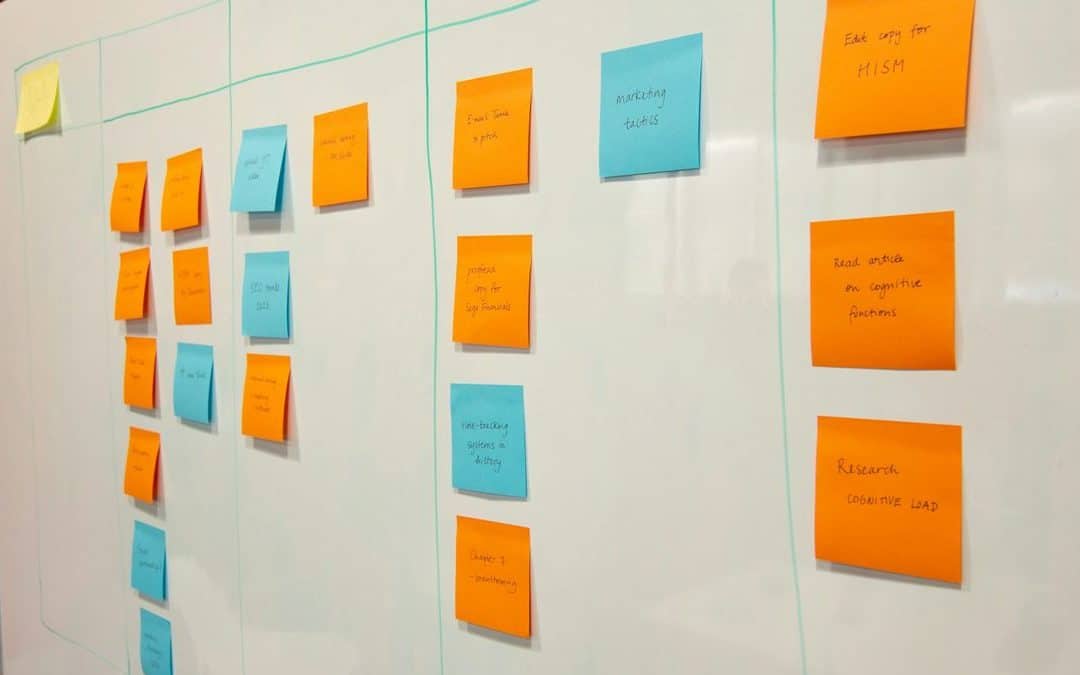
What works is a shared decision record: one place where a roadmap change gets logged the moment it happens, visible to RevOps without anyone needing to ask. Sales and CS stop selling features that already changed, and product stops fielding the same “where’d it go” question every quarter.
That’s what real revops product roadmap alignment does. It kills the surprise before it ever reaches a customer call.
This is the same root cause ForceVue dug into in Why your team keeps relitigating the same decisions. Decisions that don’t get recorded somewhere durable get re-fought and re-explained weeks later. Your roadmap is just one more place that shows up.
Book a RevOps audit before the next roadmap surprise costs you a renewal
If your reps have been burned by a roadmap that moved without warning, that’s a sign your RevOps stack and your product process were never actually wired together in the first place.
Adnova runs RevOps audits built to fix revops product roadmap alignment before it costs you a renewal. We map where your GTM tools and your product roadmap disagree, then build the connective tissue well before your next renewal call is on the line. That usually means a working session with sales, CS, and product leads, and a plan for the one shared record that replaces all the guessing.
Get revops product roadmap alignment right once, and you stop refighting it every quarter.
Book a RevOps audit with Adnova. And if you want the product-side view of why decisions like this keep getting relitigated in the first place, read the ForceVue post linked above. It’s the other half of this same problem.